
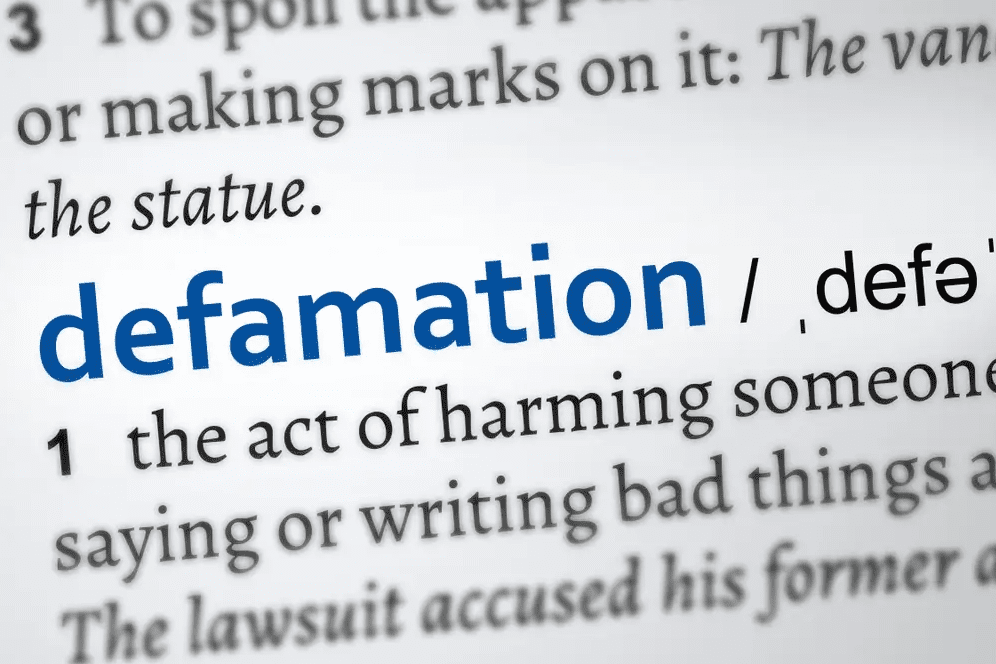
A former employee with a grievance and a social media account can significantly damage your company’s reputation. The time to address this is before anyone is dismissed. Protecting your company works best as a sequence: cultivate a culture that prevents resentment, manage the exit process with care, implement the right protections in writing and know how to respond if a negative post appears. This process begins long before the termination meeting.
Handle with care
The first step is to build a company environment where regular feedback is the norm. When someone is underperforming, provide them with a written outline of the steps they need to take to improve, along with the steps the company will take if their performance doesn’t change. This helps set expectations, making dismissal less of a surprise. Once your company decides to dismiss an employee, demonstrate respect throughout the process and help them understand the reasons behind the decision.
Documenting your decision strengthens your position and provides reassurance during a difficult conversation. If you have documentation supporting the decision — such as performance reviews, prior warnings or a paper trail of issues — share it only after making clear that the decision has been made and is final. This framing prevents the meeting from devolving into a point-by-point debate over each piece of evidence. Once the employee understands the decision is settled, the conversation can move forward.
Put it in writing
A well-managed termination addresses the immediate situation; a written agreement can protect you long after the employee has departed. One option is to negotiate a settlement agreement that includes a nondisparagement clause. Such a clause acts as a shield for your company’s reputation, discouraging former employees from making harmful public statements about the business, its products and its leadership. The stakes are real: Negative posts can harm recruitment and reputation, and a single post can spread widely within hours.
A workable nondisparagement agreement generally rests on three elements: a clear definition of the prohibited conduct, a standard for what constitutes a violation and defined consequences for a breach — typically monetary damages, the return of severance payments or injunctive relief. A common structure involves staggered severance payments in exchange for a nondisparagement clause, with a right to claw back payments if the agreement is breached. Because the enforceability of these terms varies, have an attorney draft or review the agreement before you offer it.
Know the legal limits
Nondisparagement clauses are not unlimited, and this is an area of shifting law where you should rely on legal counsel. The National Labor Relations Board has held that overly broad nondisparagement clauses offered to nonmanagement employees can interfere with federally protected rights to discuss working conditions; the specifics have been in flux, so current guidance is worth checking. Separately, the Securities and Exchange Commission’s whistleblower rules prohibit agreements that restrict reporting potential securities violations. Furthermore, several states, including New York, New Jersey and California, limit nondisparagement and confidentiality clauses in certain contexts — particularly those related to harassment, discrimination or assault. An employment lawyer in your state can confirm what will be enforceable where you operate.
When problems arise
If a former employee’s post discloses genuinely confidential information, or if they contact your clients to steer them away from your firm, that conduct may breach the agreement and give you grounds to act. When an issue surfaces with a specific client, address it privately. If you need to escalate, let your attorney speak for you; otherwise, let your company and its work speak for themselves.
As part of your social media policy, let employees know you will pursue the removal of defamatory material — including by sending the platform or internet service provider a formal cease-and-desist notice that demands an apology and signals possible legal proceedings. Where posts threaten immediate and serious financial harm, a court may order the former employee to take them down, though whether that relief is realistically available depends on the facts, so check with an attorney before counting on it.
A final caution: If a termination prompts talk of blackmail, put the reasons for the dismissal in writing, and if the threats continue, involve an attorney and, if warranted, the police. Extortion is a crime.